



Within the framework of Helwan University’s philosophy aiming to become a model university of the future through the development and modernization of its educational programs—ensuring improved quality of the educational process and striving to meet local and international academic accreditation standards—a new undergraduate curriculum has been developed for the Faculty of Nutrition Science. Specialized academic departments have been established (Community Nutrition, Clinical Nutrition, Food Sciences), alongside advanced study systems. More academic pathways are now open to students, enabling them to choose courses based on their abilities, capabilities, and interests in the departments they wish to join.
Within the framework of Helwan University’s philosophy aiming to become a model university of the future through the development and modernization of its educational programs—ensuring improved quality of the educational process and striving to meet local and international academic accreditation standards—a new undergraduate curriculum has been developed for the Faculty of Nutrition Science. Specialized academic departments have been established (Community Nutrition, Clinical Nutrition, Food Sciences), alongside advanced study systems. More academic pathways are now open to students, enabling them to choose courses based on their abilities, capabilities, and interests in the departments they wish to join.
The Faculty of Nutrition Science is an interdisciplinary field that serves sectors such as medicine, nursing, pharmacy, science, commerce, and the humanities. As such, faculty members from all these disciplines will participate in teaching this specialization—particularly in the field of Clinical Nutrition. Helwan University has been a pioneer in introducing this specialty into hospitals since 1970, in line with global practices. Clinical Nutrition is a highly expansive field that concerns all age groups, and we must ensure that graduates are well-prepared so that nutritional care—especially for patients—does not become subject to randomness or unprofessional practices.
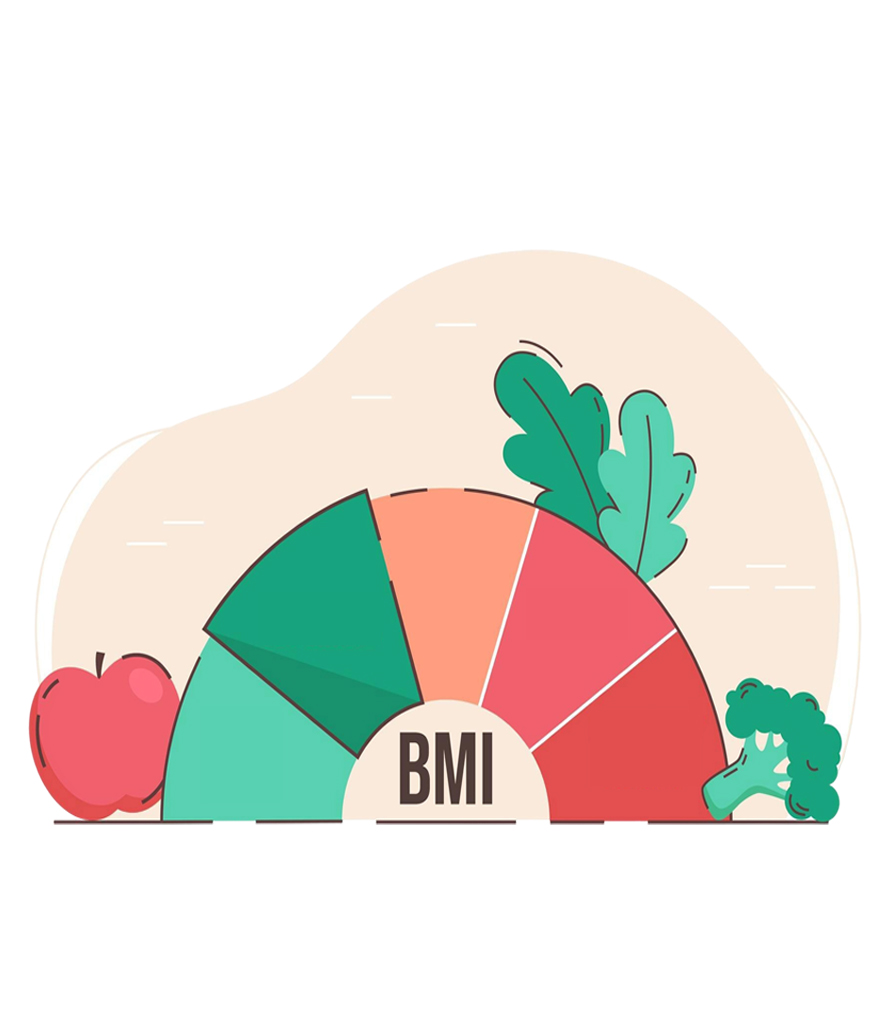
The term "Clinical Nutrition" is based on international references, including practices in the United States, the United Kingdom, and across Europe. The faculty has adopted these countries' standards as a benchmark for dietetics. A dietitian's role includes performing anthropometric studies, calculating BMI, tracking patient weight, and designing nutritional plans tailored to a patient’s health condition as diagnosed and treated by a physician—especially in cases of chronic illness. This ensures that medical treatments are effective. Dietitians also assess patients' dietary habits, which may play a key role in disease onset and complications, design meal plans and their alternatives based on numerous considerations and implement nutrition education programs for patients and their families. The term "therapeutic," whether used in nutritional therapy, physical therapy, or radiotherapy, does not imply an infringement upon the medical profession or the role of physicians. It rather reflects the scope of a specialized therapeutic profession within its domain.
The Faculty of Home Economics was established over 60 years ago (since 1928) and includes a Department of Nutrition and Food Science, which has long offered Clinical Nutrition as part of its curriculum. Professor Dr. Ismail Abdo, former First Undersecretary of the Ministry of Health, founded the field of nutrition in Egypt in the late 1960s. He also established the National Nutrition Institute under the Ministry of Health—like the Oncology, Diabetes, and Liver Institutes—and the Department of Nutrition and Food Science at the Faculty of Home Economics, Helwan University (in 1963). He selected elite professors from relevant colleges for this department. Furthermore, he launched postgraduate studies for its graduates and supervised many master's theses during the 1970s, believing that this department was, at the time, the only one producing qualified nutritionists capable of meeting the healthcare sector’s needs.
In line with the rapid global advancements in the science of food and nutrition, a Clinical Nutrition program was launched in English (with tuition fees) in the 2012/2013 academic year, under the scientific supervision of the Department of Nutrition and Food Science within the Faculty of Home Economics. Meanwhile, the growing need in Egyptian society—for both healthy and ill individuals—for specialists in general and clinical nutrition has continued to evolve. This need, along with the drive to enhance graduates' abilities in the labor market with the latest advancements in nutrition science, led to the planning, in the 2018/2019 academic year, for the establishment of a Faculty of Nutrition Science. This was envisioned as a modern alternative to the Nutrition and Food Science Department, based on global standards (benchmarks), incorporating three new majors (Clinical Nutrition, Community Nutrition, and Food Science). These majors aim to serve the community and align with market demands, making this faculty the first of its kind in Egypt at a public university.
Cabinet Decree No. 149 of 2020 officially established the Faculty of Nutrition Science and approved its regulations. Ministerial Decree No. 1664, issued on 2 September 2024, authorized the commencement of academic study at the Faculty of Nutrition Science – Helwan University, and approved the internal bylaws (undergraduate level) based on the credit hour system.
Acting Dean of the Faculty,
Prof. Dr. Naeem Mohamed Rabeh