News
Know Your Blood Glucose Level and Blood Type Initiative
Hits: 160
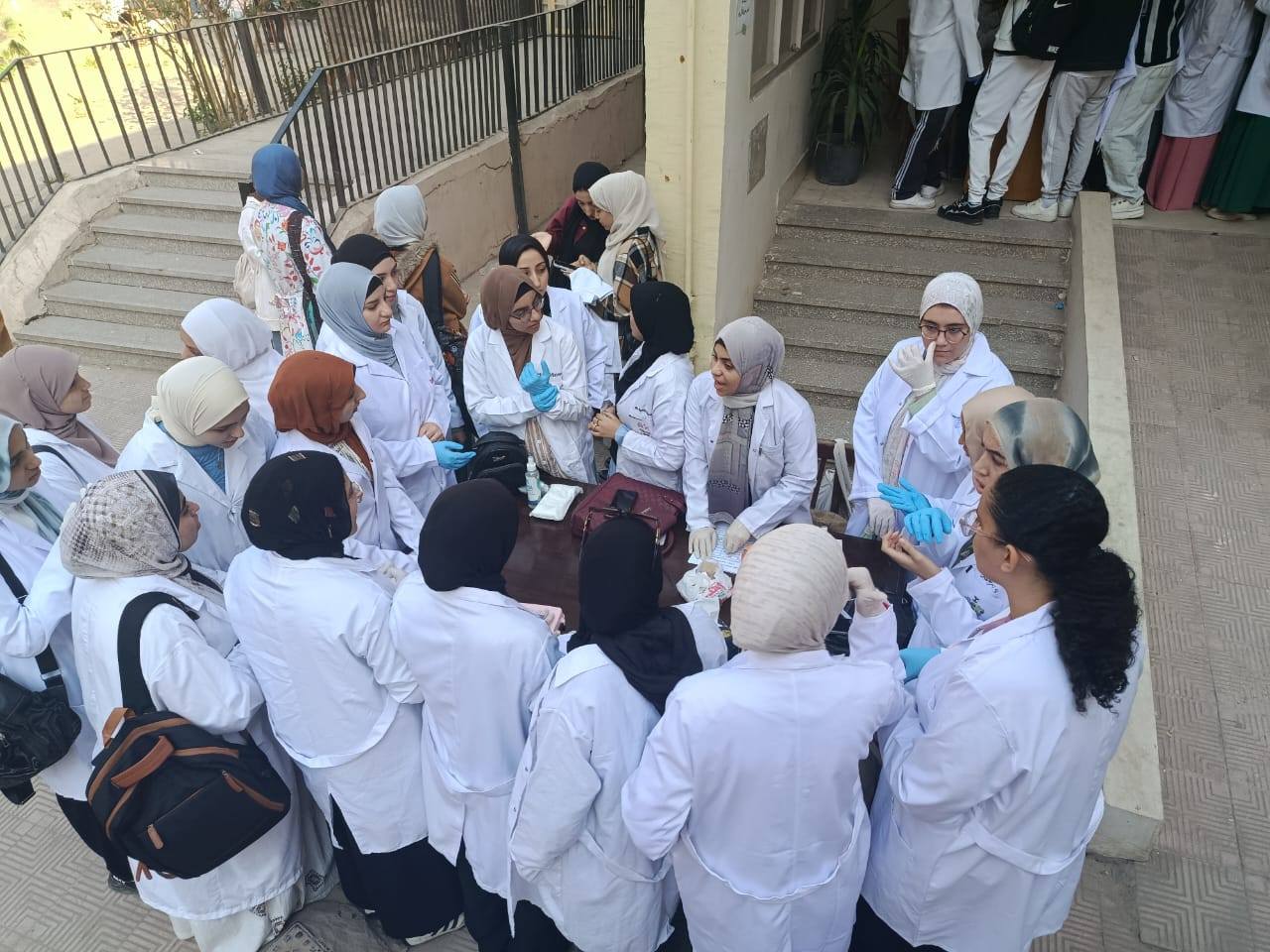
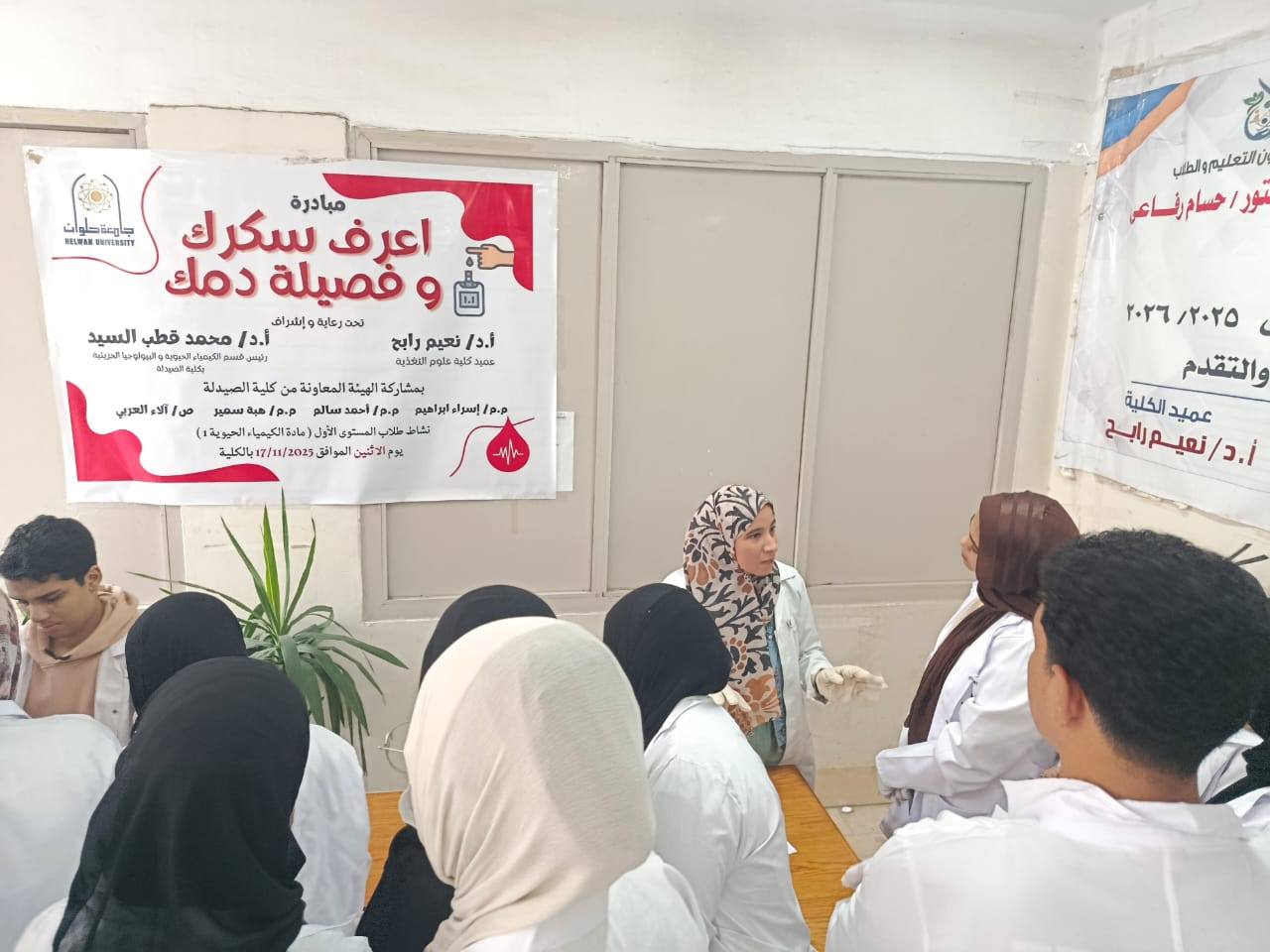
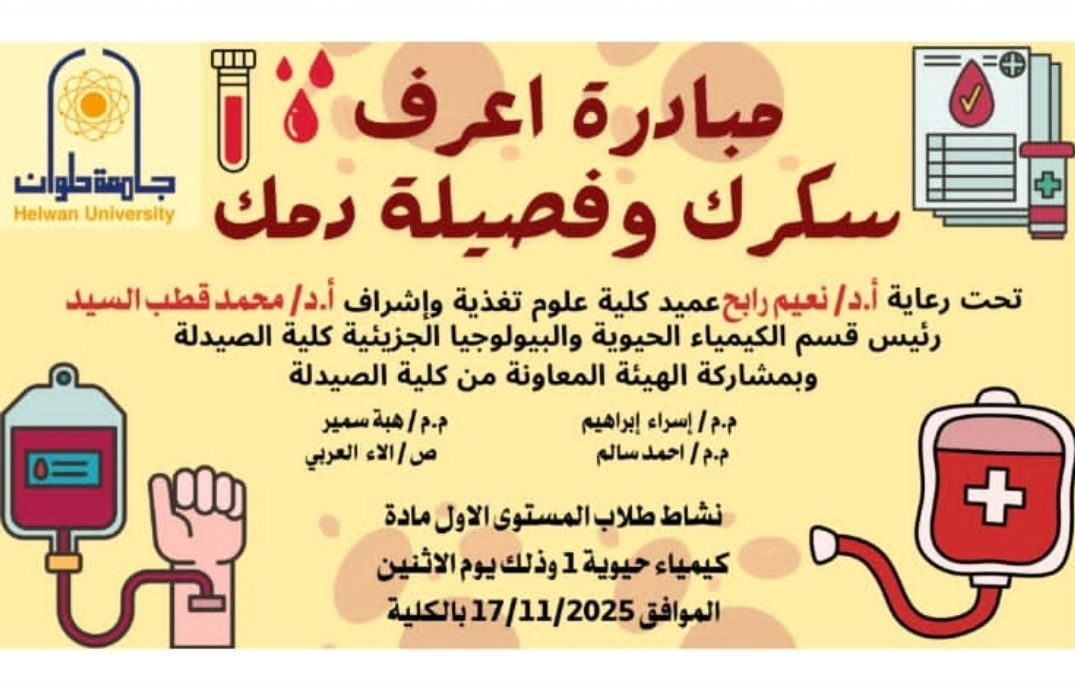
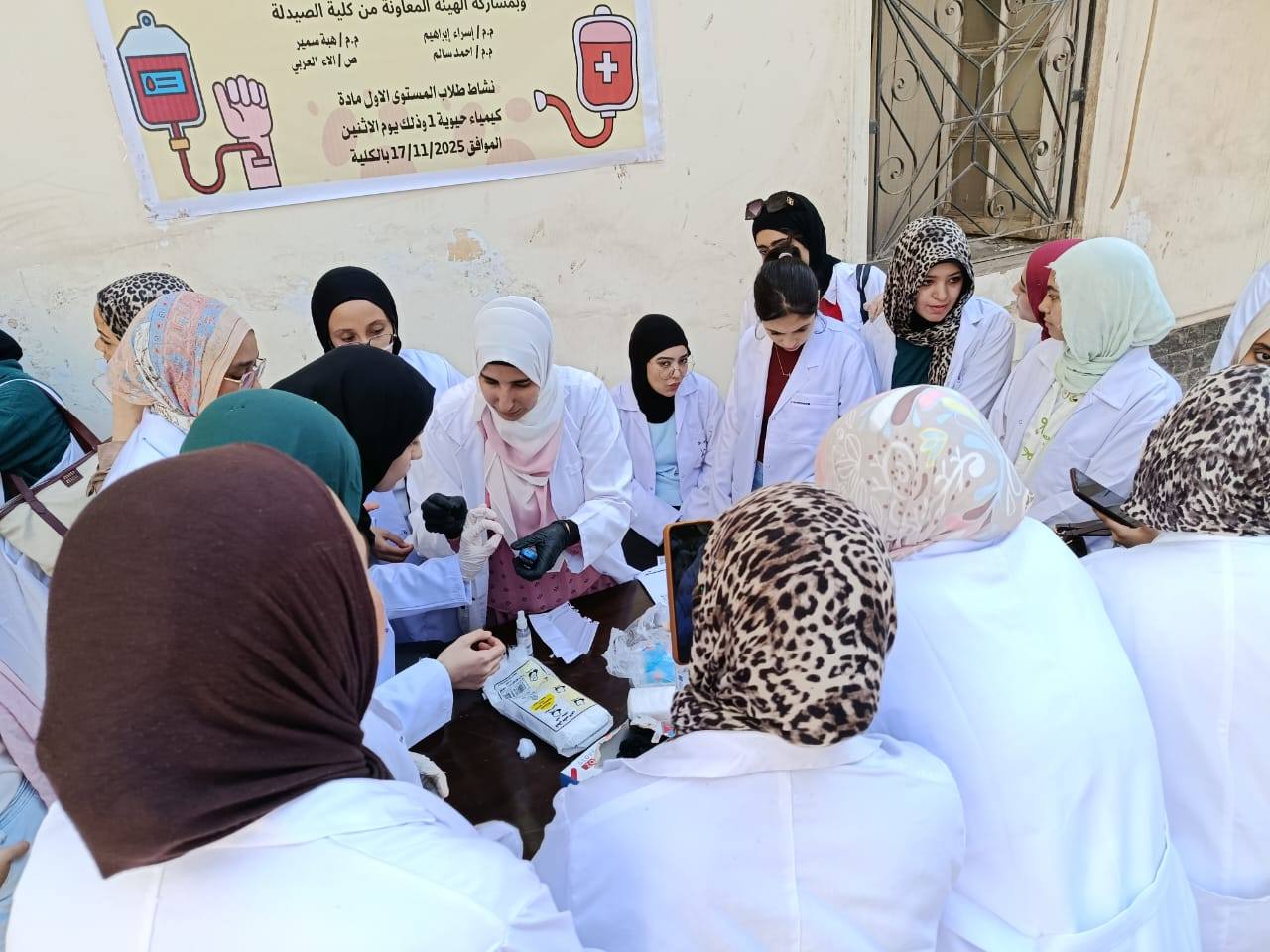
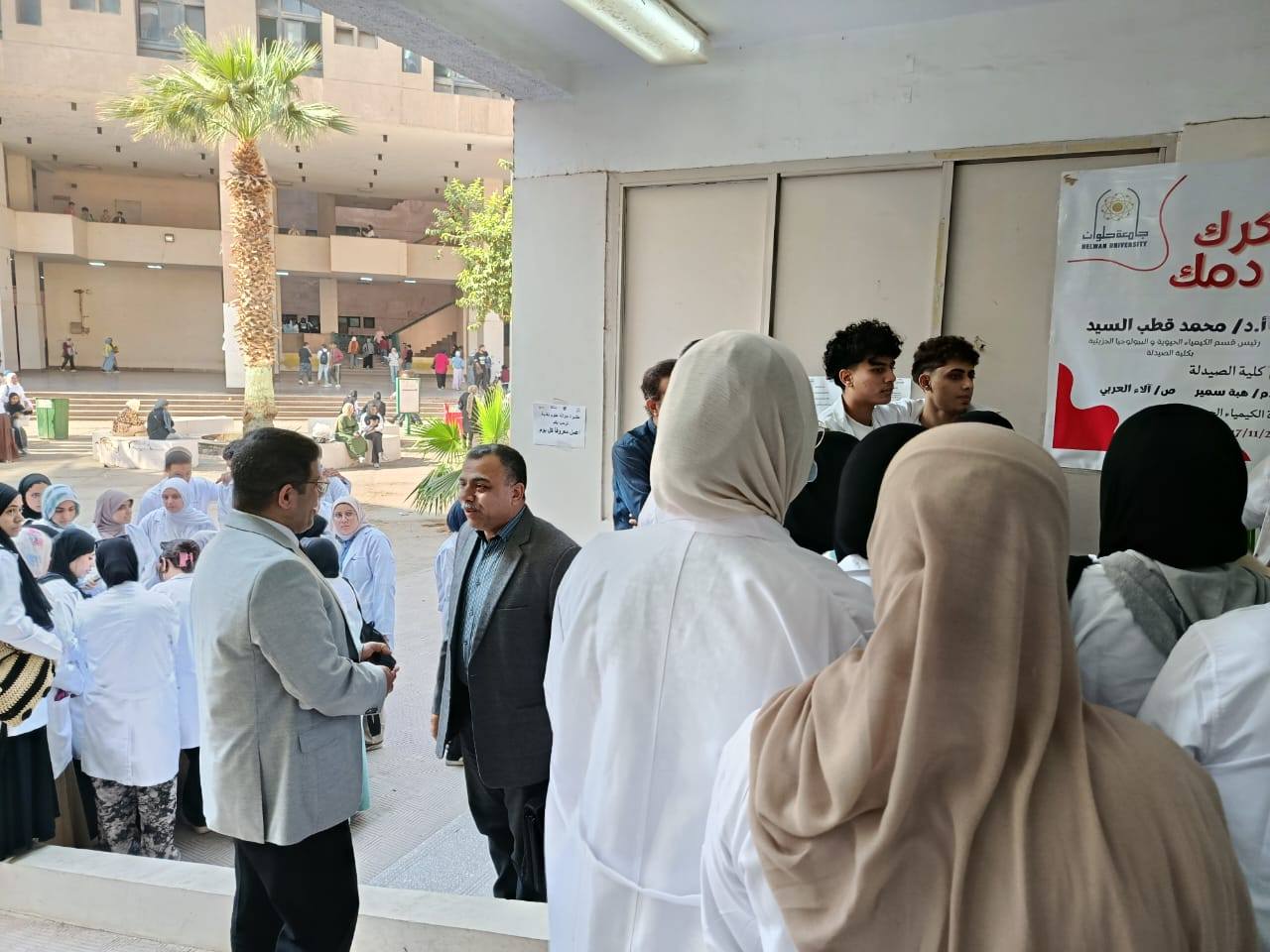
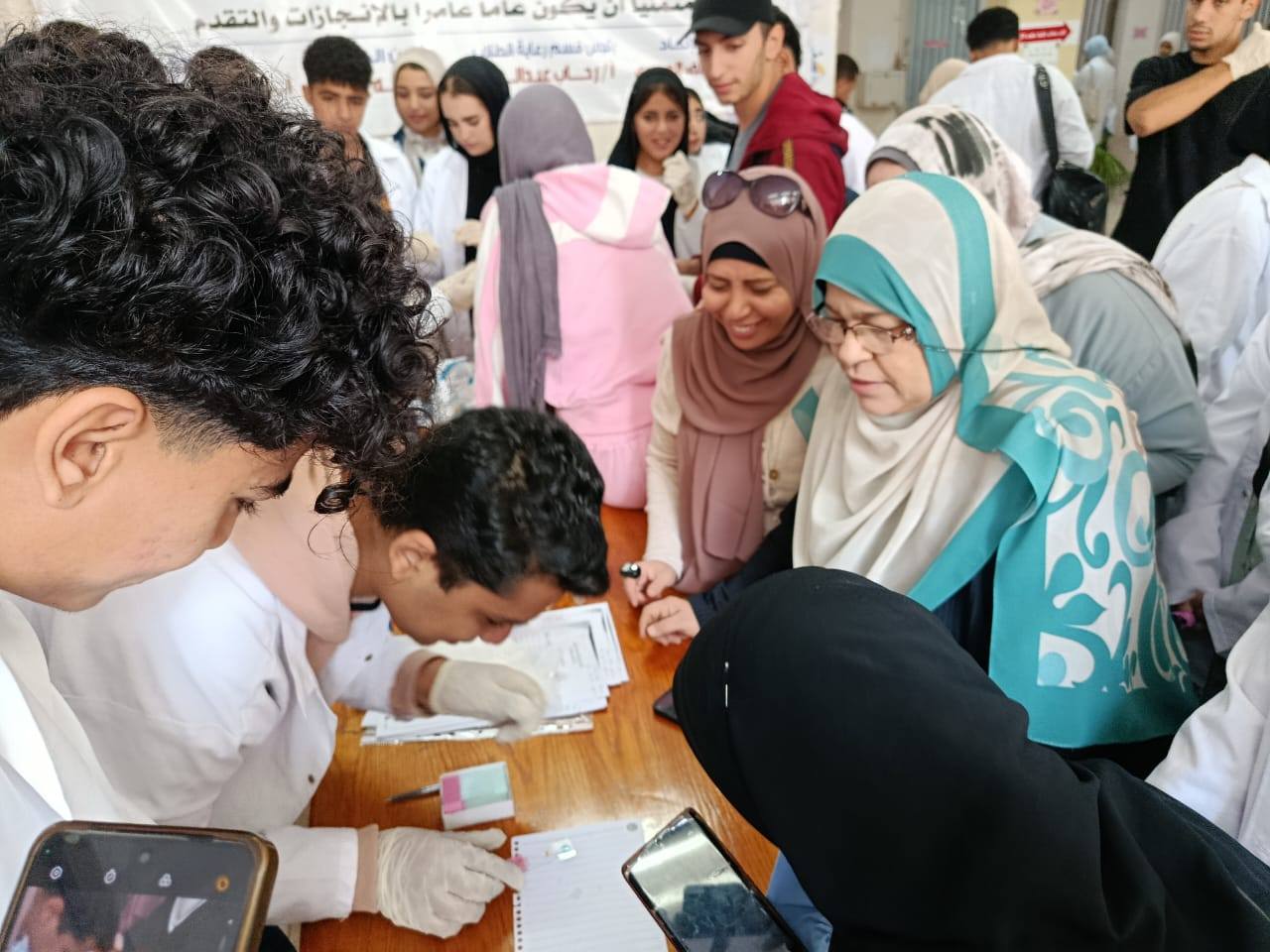
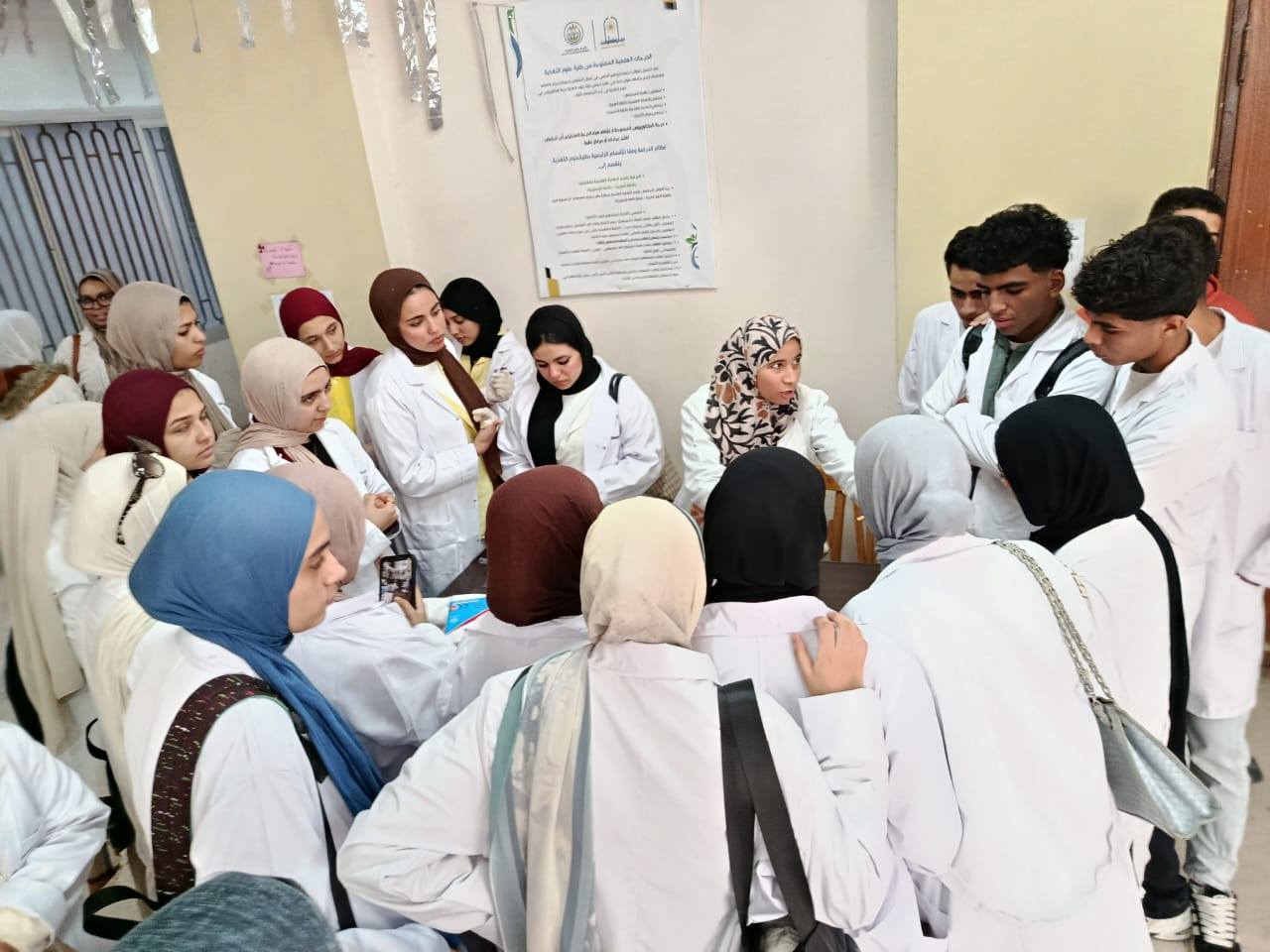
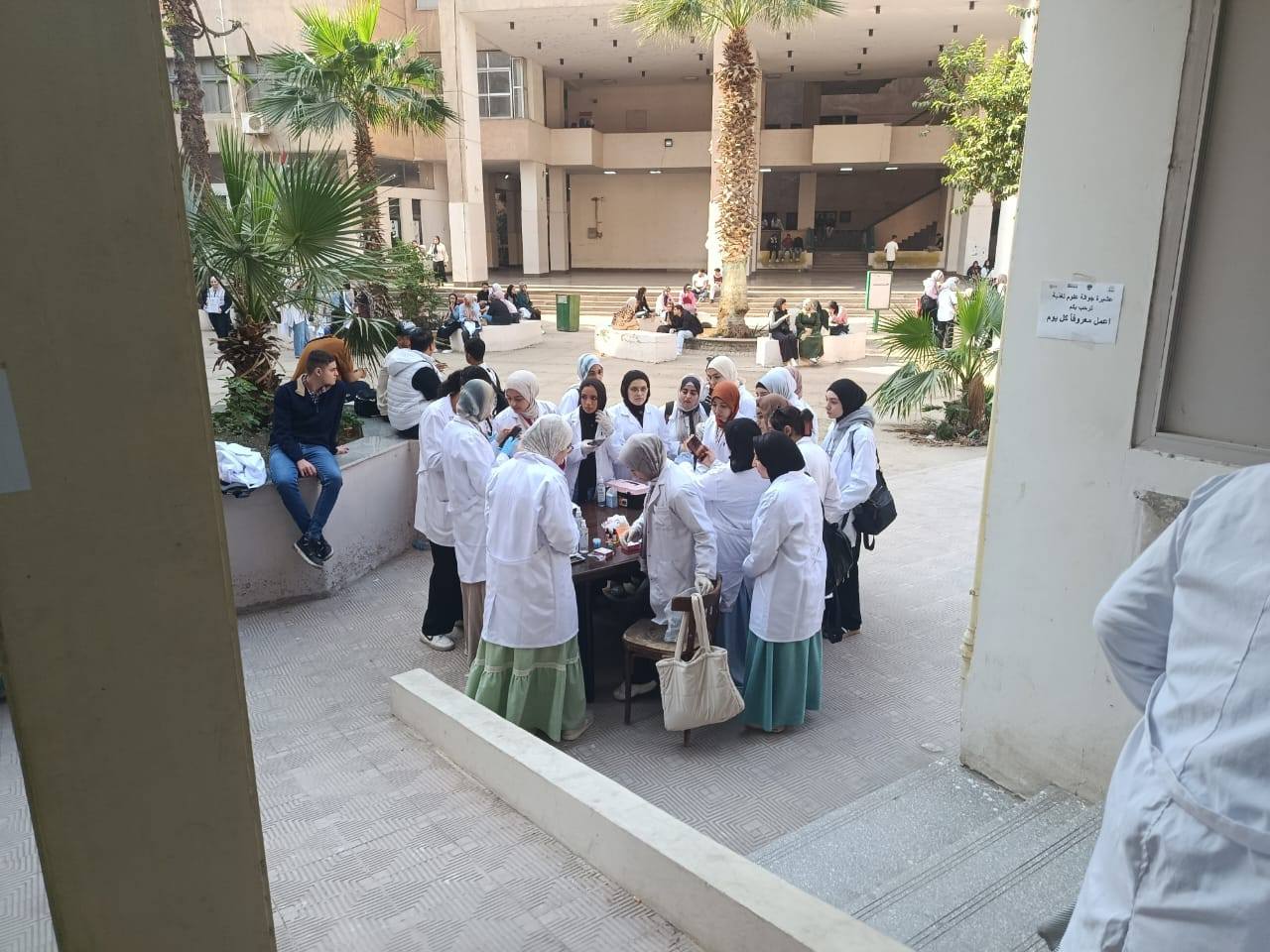
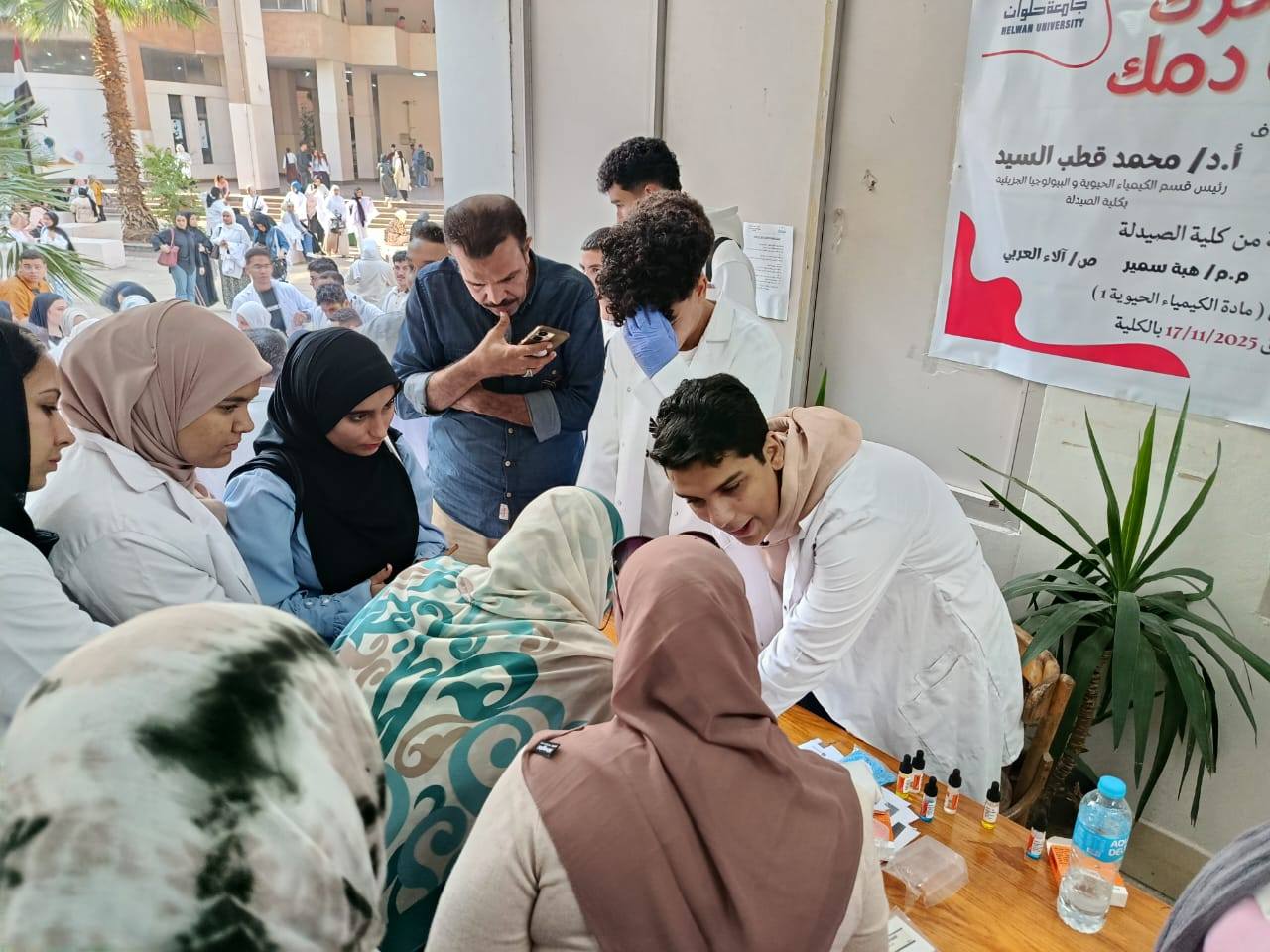
Initiative: “Know Your Blood Glucose Level and Blood Type”
Under the patronage of Prof. Dr. El-Sayed Kandil, President of the University, and supervised by Prof. Dr. Naeem Rabeh, Dean of the Faculty of Nutrition Science, together with Prof. Dr. Mohamed Kotb El-Sayed, Head of the Department of Biochemistry and Molecular Biology at the Faculty of Pharmacy.
The initiative was carried out with the participation of the teaching assistant staff of the Faculty of Pharmacy and executed by first-year students of the Therapeutic Nutrition Department (Arabic and English sections) at the Faculty of Nutrition Science. Organization was coordinated by the Faculty Secretary, Ms. Nadia Awad, and the Student Affairs Office (Ms. Rehab Abdel Aal, and Mr. Ibrahim). Free medical tests were provided for students, faculty members, and staff.
The initiative aimed to integrate student activities with community service, aligning with the learning outcomes of the Biochemistry course.
Prof. Dr. Naeem Rabeh emphasized that “Know Your Blood Glucose Level and Blood Type” represents a small step for the individual but a significant leap toward a more health-conscious society. It is an investment in personal well-being and the safety of others. Regular monitoring of blood glucose facilitates effective management of treatment and diet, thereby preventing both acute complications (such as diabetic coma) and chronic conditions.
The faculty administration provided glucose meters for free testing, along with reagents and laboratory tools necessary for blood typing. Health and nutritional awareness were delivered to all participants, including students, administrators, and workers.
The importance of knowing one’s blood type was highlighted in emergency situations such as accidents or severe bleeding. Moreover, awareness of blood type encourages individuals to donate blood when they know their type is urgently needed to save lives.
Prof. Dr. Mohamed Kotb further noted that early detection of prediabetes can prevent the onset of type 2 diabetes through lifestyle modification. Many individuals live with undiagnosed diabetes for years, leading to silent damage to nerves, kidneys, eyes, and heart.

Helwan University strives to be a leading educational and research institution in technology and the arts, and excels in education and sciences according to international quality standards
Important Links
- Visits 51492